
You have a brand whether you’re building it or not. In B2B, your brand is your reputation: what people say about you when you’re not in the room. Here’s why that matters, a simple way to see where your brand sits, and three ways to start shaping it.
We’re all Francesca now
A while back, Revved., the events and media business behind the Revved. Summit, sent an email to thousands of New Zealand’s most capable leaders. Instead of “Hi [First Name]”, it went out as “Hi Francesca”. That’s their GM.
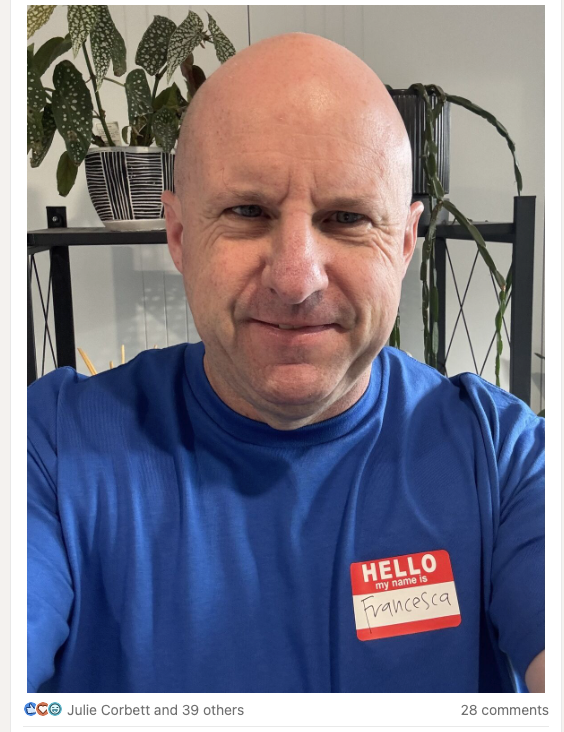
Plenty of people mess up. The key is to respond in a way that’s consistent with who you are. Revved.’s response was a warm mea culpa, T-shirts printed with Francesca’s name, and LinkedIn posts (including a janky selfie I took) that cut through more than polished content ever will.
The mistake probably did more for their brand than a flawless send could have, because it showed a team that knows who it is and how to behave when things go sideways. What you do when something goes wrong is the clearest signal of what your brand actually is.
Brand is reputation
Kerry Milne was on Slideshow with Dave Hayward and told a story about her dad that has stayed with me. Kevin was a bank manager in Western Australia in the 1980s. He never called it brand or personal branding. He called it reputation: “Reputation is what people say about you when you’re not in the room.”
That’s not far from how the brand thinker Marty Neumeier famously put it: “Brand isn’t what you say it is. It’s what they say it is.”
It applies to organisations as much as to people. The Francesca moment said something about Revved. and about the people who work there. Personal and organisational brand, working together.
Where does your brand sit? A simple B2B brand diagnostic
Most businesses know what they do. What they haven’t found is the language that carries it: the problem they solve, the feeling they create, and what makes them different from others with similar solutions.
There’s a simple diagnostic that helps. Ask three connected questions:
- How well does your market understand the problem it has (or that it has a problem at all)?
- Does your market recognise your brand?
- Does it connect your brand to solving that problem?
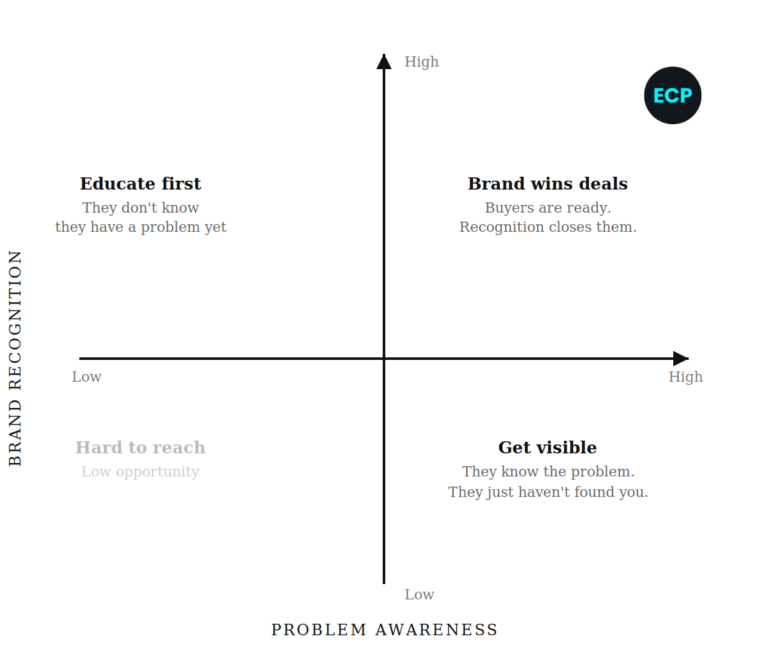
Where you sit tells you more about your marketing priorities than any channel review. Low problem awareness: your job is to educate, not sell. High problem awareness with low brand recognition: you’re in the inertia zone. Buyers know something isn’t working; they’re just not thinking of you yet. That’s a brand job, not a sales or advertising job.
Profound lasting change
One of the businesses we did this kind of positioning work with was 360tuned, led by CEO Laz Csite, which does digital transformation for not-for-profits and purpose-led organisations. Strong offer, no language that captured it.
We landed on Profound lasting change. Three words that do the work before a sales conversation or a pitch. That’s what brand positioning does: it gives your reputation a shape before someone else shapes it for you. It doesn’t need to be a strapline. Often it’s more powerful when it’s implicit, and how you behave does the rest.
The key is that it has to be real. If it’s too far from who you are, and what others think you are, it’s a meaningless slogan.
The brand behind brands
A mentor of mine, Dave Clark, spent his career building brands that lasted, including designing the All Blacks silver fern, one of the most recognised symbols in world sport. He founded Dave Clark, the brand, product and digital agency across Australia, New Zealand and Singapore, where I once worked.
His philosophies were simple and powerful, and we still live by them: “Always forward” and “Great service and great work”. His brand, and the brands he made, live on.
Three ways to start shaping your brand reputation
- Find out what your brand is already saying. Not what you intend. Ask a recent client to describe you in one sentence. What comes back?
- Work out where you sit on the awareness map. Do buyers understand their problem? Do they connect you to solving it? The answer tells you whether your next investment is education, visibility or trust.
- Find the language. Can you describe what you do at its best, for the people it matters most to, in one sentence? If you can’t say it, your market can’t repeat it.
If you’d like help finding that language, book 30 minutes with me.
Questions people ask
What’s the difference between brand and reputation?
In B2B they’re close to the same thing. Your brand is what people think and say about you, which is your reputation. Your logo and messaging are how you try to shape it.
Does a small B2B business need a brand?
It already has one. The question is whether you’re shaping it or leaving it to chance.
What is the inertia zone?
It’s when buyers understand their problem but don’t connect your brand to solving it. The fix is building recognition and trust, not pushing harder on sales.
This article first appeared in Bright Objects, my fortnightly newsletter on brand, marketing strategy and AI for business and tech leaders. Subscribe here.
Sources and further reading
- Slideshow with Dave Hayward, Kerry Milne: Personal brand without the cringe
- Slideshow with Dave Hayward, Laz Csite: Digital transformation for not-for-profits
- Marty Neumeier, The Brand Gap
- Dave Clark Design: All Blacks silver fern
If you know your business is all steak and needs some sizzle….. we’d love to hear from you.

Dave Hayward


Subscribe to Bright Objects Your essential marketing & tech insights
Warm personal stories wrapped around solid business, revenue and marketing strategy, how-tos, technology discussion (especially AI), philosophies and tactics. Occasionally, we’ll talk about personal productivity and things important to us (like astronomy and dogs).